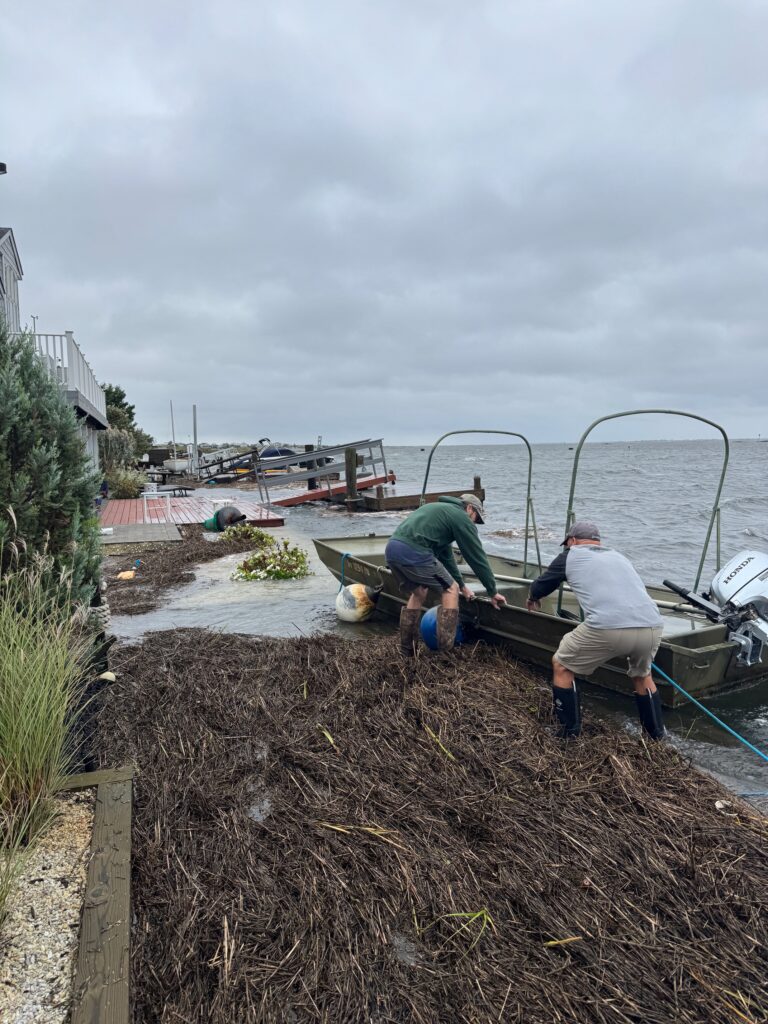
Wind, Weather and Tide.
Living between the bay and ocean means staying ready for changing conditions — from seasonal high tides to hurricanes.
Video: Ashleigh Cuty Carrucciu
Coastal weather can shift quickly. Stay informed with trusted local sources and know your evacuation routes before storm season begins. Prepare an emergency kit, secure outdoor items during high winds, and sign up for BBCA alerts to receive community weather updates and safety guidance.
Weather
Especially for those of us on the Barrier Beach, planning and preparing well ahead of any event is critical. One site that offers help with both is the Suffolk County Office of Emergency Management. You will also find located there a link to signing up for SuffolkAlert, the Suffolk County Emergency Notification System providing additional help. We would urge all of you—and particularly newer residents—to familiarize yourselves with this information.
Wind
Trim tree branches away from your house and power lines.
Secure loose gutters and shutters.
Identify an interior room of your house, such as a basement or interior bathroom, that you can take shelter in during high wind warnings.
If you live in a mobile home, identify a sturdy building you can go to if NWS issues a high wind or severe thunderstorm warning.
Charge batteries of all essential items such as cell phones and booster packs, weather radios and power tools such as a reciprocating saw, which you might need to clear debris.
Update your emergency kit and be sure to include enough food and water to last for 3 days for each person in your home.
Make a list of items outside your home you will need to tie down or put away so that they don’t blow away or fly through a window. When National Weather Service issues a high wind or severe thunderstorm watch, immediately secure these items to avoid damage or injury once the wind starts picking up.
Source: https://www.weather.gov/safety/wind-before
Downed Power Lines
Wires should always be considered “live.” Stay as far away as possible from them, and if possible, keep others, children, and pets away from the wire. Do not drive over or stand near any downed wire.
Downed power lines are often still energized — so report them right away!
To report a downed wire, call PSEG Long Island’s 24-hour Electric Service number at 800-490-0075 or call 911 immediately.
More Info on Downed Power Lines from PSEG-LI.
Storm Preparation: Caution and Planning
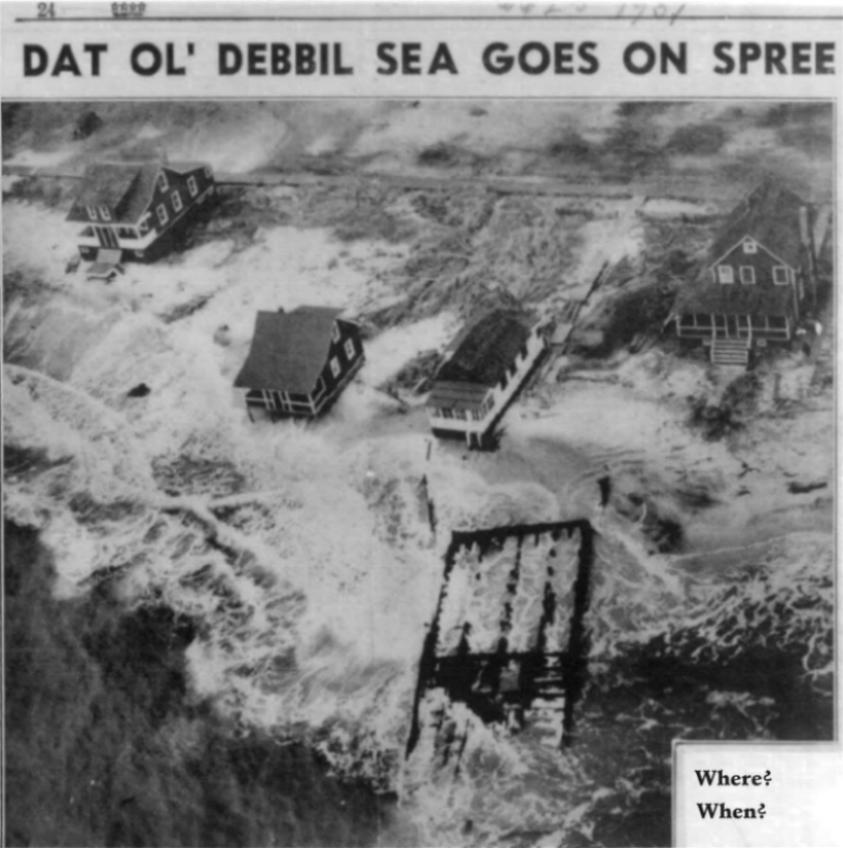
Hurricane season runs June through November. Nor’easter season is typically September through April, with strongest storms in the winter. Storms that generate strong winds or flood risk can happen anytime of the year; barrier beach living requires residents to be vigilant, informed, and prepared for a variety of weather.
We always urge you to remain aware of developing storm activity and take the necessary steps to prepare as conditions develop. Perhaps the best site for monitoring those conditions can be found at the National Hurricane Center.
Read more to learn how to prepare for hurricanes and flooding events. You might also wish to visit this useful page of hurricane preparedness “themes” at the National Oceanic and Atmospheric Administration (NOAA) website.
Rip Tides
Pay attention to Rip Current warnings, which can be found by entering you zip code at weather.gov and looking for any Hazardous Weather Conditions.
Helpful Weather Links
We would urge all of you—and particularly newer residents—to familiarize yourselves with this information:
National Oceanic and Atmospheric Administration (NOAA) hurricane preparedness
Ready.gov: Prepare for hurricanes and flooding events.