
Wells, Filtration and Servicing Your Septic System.
Protecting our limited water supply and managing waste responsibly keeps our beaches clean and our community healthy.
Barrier Beach homes rely on shared and sometimes fragile infrastructure. Conserve water whenever possible and schedule regular maintenance of septic or waste systems to prevent leaks. Never dispose of grease, chemicals, or paints in drains — they pollute our groundwater and bay. Proper care today ensures safe, clean water for tomorrow.
Septic System Maintenance
Maintaining your septic system is crucial for public health and the environment, as failing systems can contaminate groundwater with disease-causing bacteria and viruses. In Suffolk County, outdated cesspools and septic tanks are the largest source of nitrogen pollution in local waterways, which causes beach closures, fish kills, and toxic algae blooms.
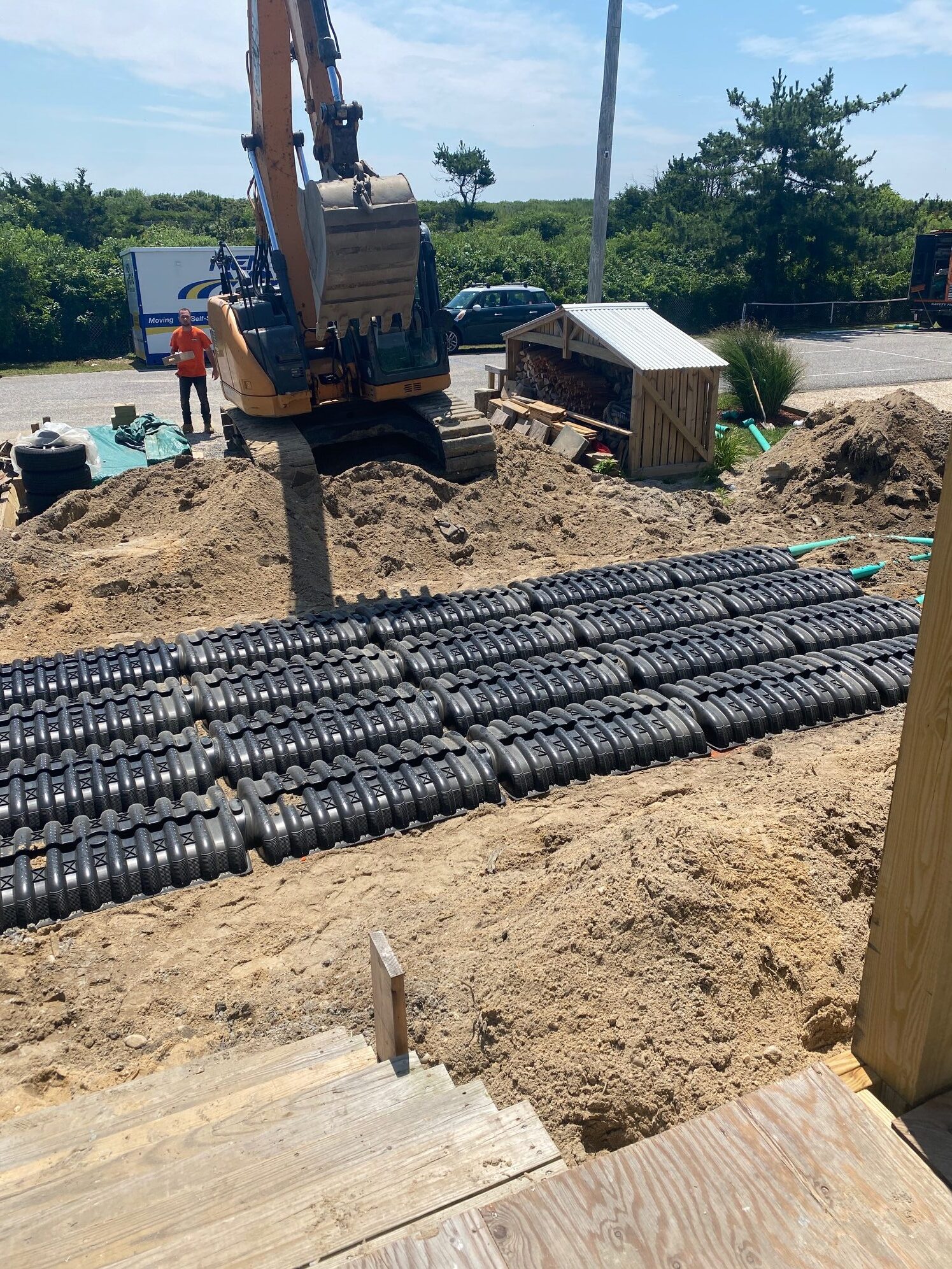
Upgrading to an Innovative/Alternative On-Site Wastewater Treatment System (I/A OWTS) can significantly reduce this pollution, as these advanced systems use biological processes to convert and remove nitrogen from wastewater before it reaches the environment.
Importance of Maintaining Existing Systems:
Routine maintenance is the best way to prevent system failure and extend the life of your septic system.
- Saves Money: Regular maintenance and pumping (typically every 3 to 5 years for a conventional system) is far less expensive than repairing or replacing a failed system, which can cost thousands of dollars.
- Protects Health and Environment: A properly functioning system removes pathogens, bacteria, and chemicals from wastewater, preventing contamination of groundwater and local surface waters that could lead to serious illness.
- Preserves Property Value: An unusable or failed septic system significantly lowers your property value and can pose a legal liability.
- Ensures Optimal Performance: Pumping removes accumulated solid waste (sludge and scum) that, if left unchecked, can overflow into the drain field and cause clogs and system failure.
Upgrading to I/A OWTS and Compliance
Environmental Benefits: I/A OWTS can remove over 70% of nitrogen, protecting the quality of groundwater (Long Island’s sole source of drinking water) and surface waters like bays and estuaries.
Grant Funding: To help homeowners afford the upgrade, Suffolk County and New York State offer substantial grants and low-interest financing through the Suffolk County Septic Improvement Program (SIP), with some homeowners potentially getting systems installed for minimal cost.
Permitting: When replacing your septic system, you must obtain the correct permits from the Suffolk County Department of Health Services (SCDHS). The process involves filing registrations and working with a design professional and approved installer to ensure compliance with the updated Suffolk County Sanitary Code, which no longer allows new cesspools as replacements for old ones.
For more information and to apply for the grant program, homeowners can visit the county’s website at www.ReclaimOurWater.info.
Water Filtration
Most private wells on the Barrier Islands are drilled 300-500+ ft into the ground into the Magothy Aquifer. This aquifer produces excellent drinking water that may need to be filtered for iron, zinc or other naturally occurring elements. Well water should be tested annually and after major flooding for contamination.
While we are lucky to draw from a reliable aquifer that is unlikely to dry up, older well infrastructure (well head, seals, valves and underground waterlines) can deteriorate over decades and result in fragile pipes that are prone to surface runoff contamination through shallow pinhole entry points. Signs of failure and leaks can include an increase of sediment-causing pump failures, very high levels of iron in your water (orange stains and rotten egg smell) and soggy areas surrounding your well head.
Suffolk County Health Department offers a $100 lab water test for contaminants.
HELPFUL RESOURCES FOR PROPER SEPTIC SYSTEM MAINTENANCE
Long Island Liquid Waste Association
I/A SYSTEMS
Suffolk County Septic Improvement Program
CDLI Septic Replacement Loan Program
NYS DEC Septic Replacement Fund
TEST YOUR WATER
Suffolk County Health Department Request Form for Private Water Analysis